
Über uns
Strukturiert.
Leitlinienbasiert.
Menschlich.
Die Ernährungspraxis Deutschland (EPD) ist spezialisiert auf medizinische Ernährungstherapie bei komplexen und schweren Erkrankungen. Unser Fokus liegt dort, wo Ernährung therapeutisch wirksam sein muss: in der Onkologie, bei Mangelernährung sowie bei anspruchsvollen Krankheitsverläufen im klinischen und ambulanten Kontext.
Die EPD entstand aus der langjährigen Arbeit von MEDILOG Hamburg im Jahr 2019. Im medizinischen Alltag wurde immer wieder deutlich, dass Ernährungstherapie trotz klarer Leitlinien zu selten strukturiert umgesetzt wird. Mangelernährung bleibt unentdeckt, Patienten verlieren Kraft, Fachpersonal stößt an zeitliche und organisatorische Grenzen. Die EPD wurde gegründet, um diese Lücke zu schließen.
Unsere Mission ist es, Ernährung als festen, professionellen Bestandteil der medizinischen Versorgung zu etablieren. Leitlinienbasiert, strukturiert und mit menschlicher Nähe. Wir denken Ernährung interdisziplinär, praxisnah und umsetzbar, immer in enger Abstimmung mit Kliniken, Praxen und bestehenden Behandlungsteams.
Begleiten statt belehren. Struktur geben statt zusätzlich belasten.
Wir sind überzeugt:
Gerade bei schweren Erkrankungen braucht es Orientierung, Sicherheit und Verlässlichkeit. Ernährung ist dabei kein Zusatzangebot, sondern Teil der Therapie.
Unsere Arbeit basiert auf drei klaren Grundsätzen:
So schaffen wir Strukturen, die wirken – für Patienten ebenso wie für medizinische Einrichtungen.

Fachlich stark. Interdisziplinär vernetzt. Menschlich präsent.
Das Team der Ernährungspraxis Deutschland besteht aus qualifizierten Ernährungsfachkräften mit medizinischem Hintergrund und langjähriger Erfahrung im Klinik- und Praxisalltag. Unsere Arbeit ist geprägt von enger Zusammenarbeit mit Ärzten, Pflegepersonal und therapeutischen Teams. Wir arbeiten evidenzbasiert, strukturiert und gleichzeitig nah am Menschen. Jeder Therapieschritt orientiert sich an der individuellen Situation der Patienten und an den realen Abläufen im Versorgungsalltag.
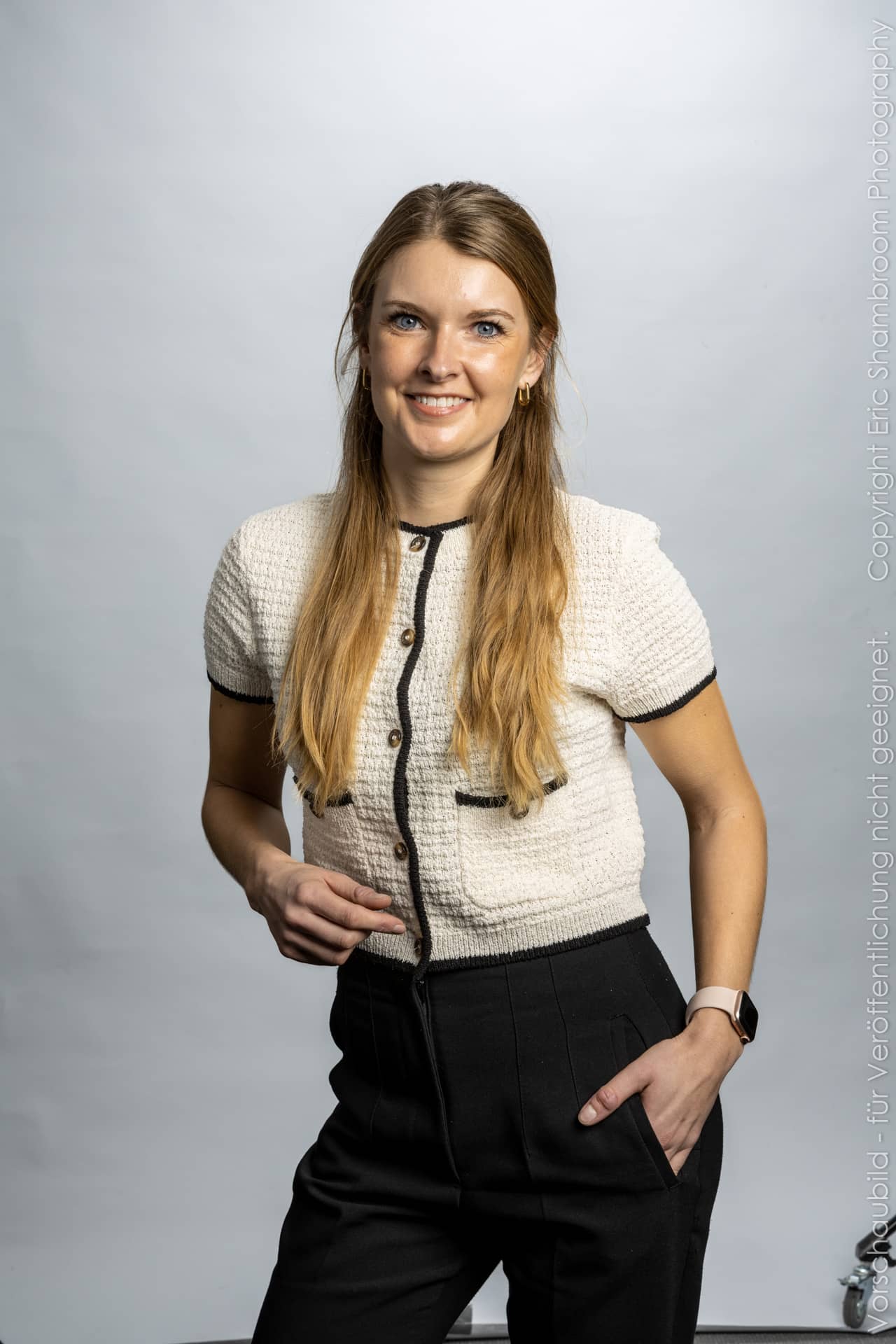
Tatjana und Jana verantworten die fachliche und organisatorische Ausrichtung der Ernährungspraxis Deutschland. Sie stehen für Klarheit, Struktur und eine Haltung, in der der Mensch im Mittelpunkt steht. Diese Haltung prägt die tägliche Arbeit des gesamten Teams. Medizinische Qualität, Verlässlichkeit und ein respektvoller Umgang miteinander und mit den Patienten werden gemeinsam gelebt. So entsteht eine Arbeitsweise, die Sicherheit gibt, Verantwortung teilt und auch in komplexen Situationen ruhig und professionell bleibt.
Fachlich wahrgenommen. Medizinisch eingeordnet. Seriös berichtet.
Die Arbeit der Ernährungspraxis Deutschland wird regelmäßig von Fachmedien und regionalen Medien aufgegriffen. Im Mittelpunkt stehen dabei unsere ernährungsmedizinische Expertise, unsere Versorgungskonzepte und die Bedeutung von Ernährungstherapie bei schweren Erkrankungen.
Wir arbeiten eng mit Kliniken, Praxen, medizinischen Einrichtungen und Partnern aus dem Gesundheitswesen zusammen. Diese Kooperationen entstehen nicht zufällig, sondern aus einem gemeinsamen Anspruch: Patienten bestmöglich zu versorgen und Fachpersonal im Alltag zu entlasten.
Unsere Partner schätzen unsere strukturierte Arbeitsweise, die fachliche Tiefe und die verlässliche Umsetzung im Versorgungsalltag. Gemeinsam schaffen wir Lösungen, die tragfähig sind, sowohl medizinisch, organisatorisch als auch menschlich.


Die Ernährungspraxis Deutschland wächst kontinuierlich. Wir suchen Menschen, die medizinische Fachlichkeit mit Empathie verbinden und Verantwortung übernehmen möchten – für Patienten, Kollegen und für eine bessere Versorgung.
Bei EPD erwartet Sie ein professionelles Umfeld, klare Strukturen und die Möglichkeit, Ernährungstherapie aktiv mitzugestalten, im klinischen, ambulanten oder auch im digitalen Kontext.
Weil wir verstehen, was im
Versorgungsalltag zählt:
EPD steht für medizinische Ernährungstherapie,
die wirkt – für Patienten, für Fachpersonal und für
Einrichtungen.
Spezialisierung statt Allgemeinberatung
Struktur statt Improvisation
Begleitung statt Einzelleistung
Zusammenarbeit statt Parallelstrukturen
Ernährungspraxis Deutschland Erklärung zur Barrierefreiheit
We firmly believe that the internet should be available and accessible to anyone, and are committed to providing a website that is accessible to the widest possible audience, regardless of circumstance and ability.
To fulfill this, we aim to adhere as strictly as possible to the World Wide Web Consortium’s (W3C) Web Content Accessibility Guidelines 2.1 (WCAG 2.1) at the AA level. These guidelines explain how to make web content accessible to people with a wide array of disabilities. Complying with those guidelines helps us ensure that the website is accessible to all people: blind people, people with motor impairments, visual impairment, cognitive disabilities, and more.
This website utilizes various technologies that are meant to make it as accessible as possible at all times. We utilize an accessibility interface that allows persons with specific disabilities to adjust the website’s UI (user interface) and design it to their personal needs.
Additionally, the website utilizes an AI-based application that runs in the background and optimizes its accessibility level constantly. This application remediates the website’s HTML, adapts Its functionality and behavior for screen-readers used by the blind users, and for keyboard functions used by individuals with motor impairments.
If you’ve found a malfunction or have ideas for improvement, we’ll be happy to hear from you. You can reach out to the website’s operators by using the following email
Our website implements the ARIA attributes (Accessible Rich Internet Applications) technique, alongside various different behavioral changes, to ensure blind users visiting with screen-readers are able to read, comprehend, and enjoy the website’s functions. As soon as a user with a screen-reader enters your site, they immediately receive a prompt to enter the Screen-Reader Profile so they can browse and operate your site effectively. Here’s how our website covers some of the most important screen-reader requirements, alongside console screenshots of code examples:
Screen-reader optimization: we run a background process that learns the website’s components from top to bottom, to ensure ongoing compliance even when updating the website. In this process, we provide screen-readers with meaningful data using the ARIA set of attributes. For example, we provide accurate form labels; descriptions for actionable icons (social media icons, search icons, cart icons, etc.); validation guidance for form inputs; element roles such as buttons, menus, modal dialogues (popups), and others. Additionally, the background process scans all the website’s images and provides an accurate and meaningful image-object-recognition-based description as an ALT (alternate text) tag for images that are not described. It will also extract texts that are embedded within the image, using an OCR (optical character recognition) technology. To turn on screen-reader adjustments at any time, users need only to press the Alt+1 keyboard combination. Screen-reader users also get automatic announcements to turn the Screen-reader mode on as soon as they enter the website.
These adjustments are compatible with all popular screen readers, including JAWS and NVDA.
Keyboard navigation optimization: The background process also adjusts the website’s HTML, and adds various behaviors using JavaScript code to make the website operable by the keyboard. This includes the ability to navigate the website using the Tab and Shift+Tab keys, operate dropdowns with the arrow keys, close them with Esc, trigger buttons and links using the Enter key, navigate between radio and checkbox elements using the arrow keys, and fill them in with the Spacebar or Enter key.Additionally, keyboard users will find quick-navigation and content-skip menus, available at any time by clicking Alt+1, or as the first elements of the site while navigating with the keyboard. The background process also handles triggered popups by moving the keyboard focus towards them as soon as they appear, and not allow the focus drift outside it.
Users can also use shortcuts such as “M” (menus), “H” (headings), “F” (forms), “B” (buttons), and “G” (graphics) to jump to specific elements.
We aim to support the widest array of browsers and assistive technologies as possible, so our users can choose the best fitting tools for them, with as few limitations as possible. Therefore, we have worked very hard to be able to support all major systems that comprise over 95% of the user market share including Google Chrome, Mozilla Firefox, Apple Safari, Opera and Microsoft Edge, JAWS and NVDA (screen readers).
Despite our very best efforts to allow anybody to adjust the website to their needs. There may still be pages or sections that are not fully accessible, are in the process of becoming accessible, or are lacking an adequate technological solution to make them accessible. Still, we are continually improving our accessibility, adding, updating and improving its options and features, and developing and adopting new technologies. All this is meant to reach the optimal level of accessibility, following technological advancements. For any assistance, please reach out to